
The UK is forecast to generate around 30,000 tonnes of solar panel waste over the next decade, and that figure is set to climb sharply through the 2030s as the first wave of large scale installations reaches the end of its working life. Most installers, facilities managers and asset owners know that solar panels are recyclable. What many don't realise is that they're also strictly regulated, classed as electrical waste under UK law and subject to the same rules as fridges, computers and industrial machinery.
Get the disposal route wrong and you risk fines, failed audits, reputational damage and in some cases criminal liability. Get it right and the process is straightforward, fully documented and genuinely good for the environment.
This guide explains everything UK installers, businesses and large scale operators need to know about WEEE compliance for solar panels in 2026, what the regulations are, who's responsible, what documentation you need and how a compliant disposal actually works.
What are the WEEE Regulations?
WEEE stands for Waste Electrical and Electronic Equipment. The WEEE Directive is a European framework first introduced in 2003 to reduce the volume of electrical waste sent to landfill and to ensure valuable materials are recovered and reused. The UK implemented its own version through the Waste Electrical and Electronic Equipment Regulations 2013, which remain in force today following Brexit.
The regulations cover almost any product that runs on electricity or batteries — from small household appliances and IT equipment through to large industrial systems. They place duties on three groups: the producers who place electrical equipment on the UK market, the businesses that use and eventually dispose of it, and the licensed operators who collect, transport, and treat it at end of life.
The core principle is "producer responsibility" — the idea that whoever profits from selling electrical equipment also has a duty to fund and facilitate its proper disposal. For end users, the practical impact is that electrical waste cannot legally be thrown in with general rubbish. It has to go through an authorised route.
Why solar panels fall under WEEE (Category 14)
Solar PV panels were brought formally into scope of the WEEE Regulations in 2014, when an updated Directive added photovoltaic panels as a distinct category. Under the current UK framework, solar panels sit in Category 14 alongside other large electrical equipment.
This matters because it means a solar panel, whether it's a 60 cell residential module or a utility scale farm panel, is legally treated the same as any other piece of regulated electrical waste. It cannot be skipped, fly tipped, or dropped at a general waste site. It must be collected by a licensed waste carrier and processed at an Approved Authorised Treatment Facility (AATF) or equivalent permitted site.
The reasoning behind the classification is partly environmental and partly economic. Panels contain materials that are valuable when recovered (silver, silicon, high grade glass, aluminium, copper) and harmful when not (lead, cadmium, and other trace metals that can leach into soil and groundwater). Treating panels as WEEE forces the value recovery route and prevents the harm route.
Who is legally responsible?
Responsibility for WEEE compliant disposal of solar panels depends on whether the panels are classed as B2B (business to business) or B2C (business to consumer) waste. This distinction is important because the rules differ in subtle but significant ways.
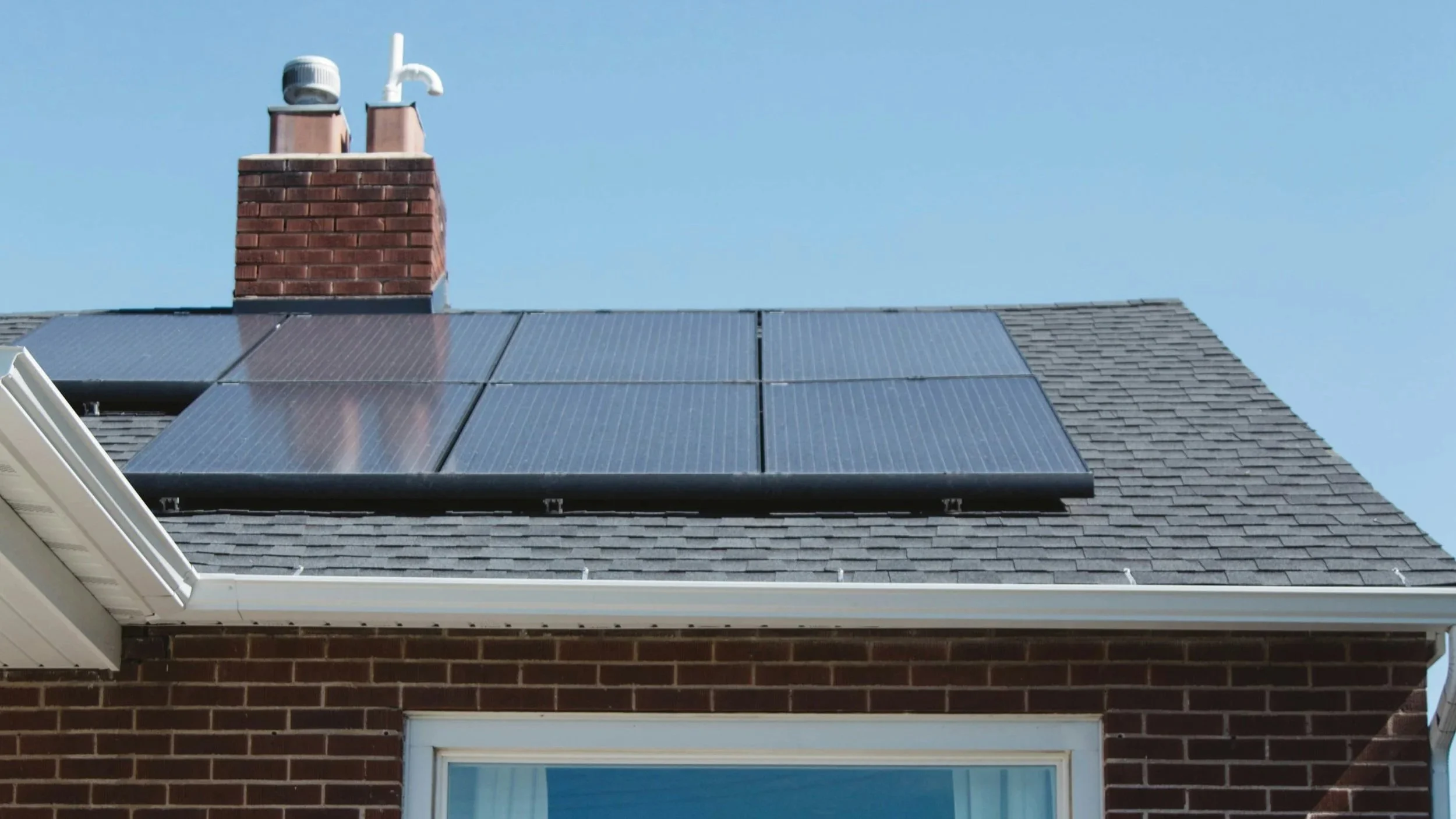
B2C waste — residential installations
For panels installed on a private home, the legal "producer" usually the manufacturer or the importer who first placed the panels on the UK market has a financial obligation to fund their eventual recycling through a Producer Compliance Scheme (PCS). In practice, the homeowner is rarely involved with this directly. They simply need to ensure their panels are collected by an authorised waste carrier when removed.
If the original producer has gone out of business (which is common given panel lifespans of 25–30 years), the homeowner can either contact a PCS directly or arrange collection through a licensed waste management company. They will usually pay for removal from the roof, but the recycling itself is often funded through the producer compliance system.
B2B waste — commercial and industrial installations
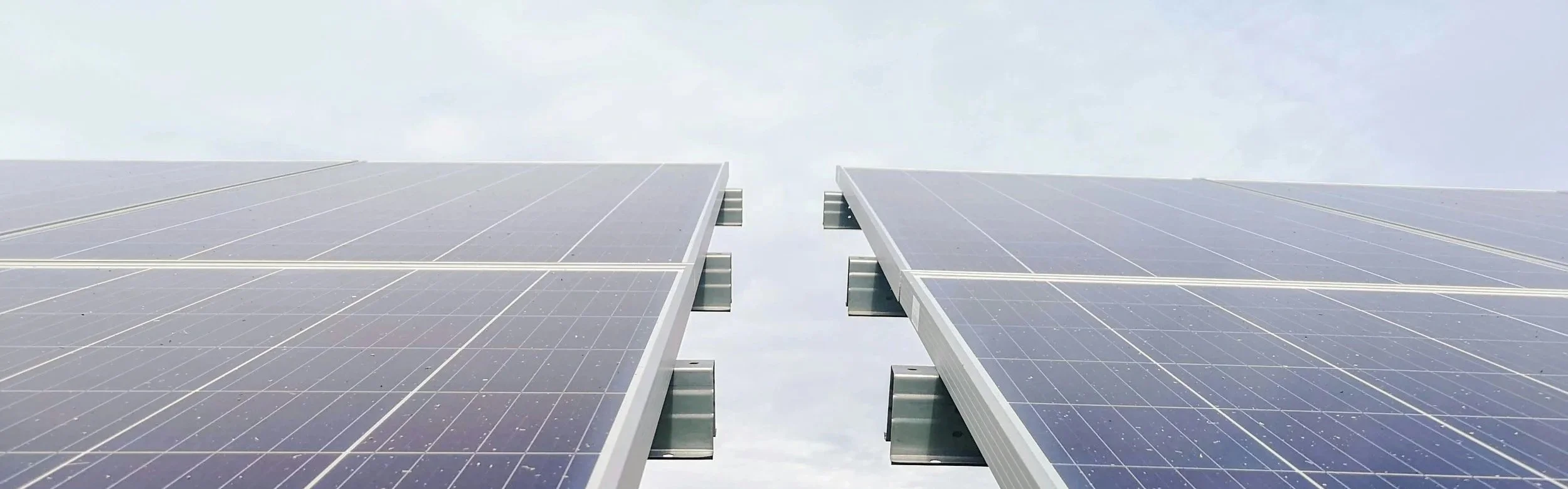
For panels on commercial sites, solar farms, warehouses, or any non domestic property, the responsibility sits squarely with the business that owns or operates the site. This is governed by the Duty of Care provisions in Section 34 of the Environmental Protection Act 1990.
In practical terms, a business owner or facilities manager must:
Ensure waste is only handed to a registered waste carrier
Verify the carrier's licence (you can check on the Environment Agency's public register)
Receive and retain a Waste Transfer Note for every collection
Make reasonable enquiries about where the waste will end up
Keep records for at least two years
For installers, the responsibility is even more acute when removing and replacing panels as part of an upgrade or repair. The waste becomes the installer's responsibility from the moment it's removed from the roof until it's handed to a licensed carrier.
What happens if you don't comply?
The consequences of non compliance with WEEE regulations are more serious than many businesses realise.
Fly tipping electrical waste even unintentionally, by dropping panels at an unlicensed site is a criminal offence under the Environmental Protection Act 1990. Magistrates' courts can issue fines of up to £50,000, and Crown Court cases involving large volumes or repeat offences can result in unlimited fines and custodial sentences for company directors.
Beyond the headline penalties, businesses face:
Failed environmental audits, particularly damaging for ISO 14001 certification or contracts that require demonstrable waste compliance
Loss of public sector contracts, which increasingly require full waste stream documentation
ESG reporting failures, with growing investor and stakeholder scrutiny on supply chain accountability
Reputational damage, especially relevant for businesses in the renewable sector trading on green credentials
The Environment Agency actively investigates electrical waste offences, and prosecution is far from rare. For a business operating in the solar sector where customers expect environmental responsibility as standard a compliance failure is particularly damaging.
The compliant disposal process — step by step
A properly compliant solar panel disposal follows a clear, documented sequence. Here's what it should look like in practice.
1. Engage a licensed waste carrier
Before anything is moved, the disposal company you engage must hold a current Waste Carriers, Brokers and Dealers Licence issued by the Environment Agency. Ask for the licence number and check it against the public register. Any reputable provider will display this clearly.
2. Site assessment and collection planning
For larger jobs — solar farm decommissioning, multi site rollouts, or installer programmes — a site assessment establishes volumes, access constraints, and whether ancillary equipment (cabling, inverters, mounting frames, batteries) needs to be collected at the same time. Planning at this stage prevents delays and missed compliance steps later.
3. Safe segregation and packaging
Panels should ideally be stacked, palletised, or packaged to prevent breakage in transit. Where battery storage systems are part of the collection, lithium-ion batteries require separate handling under additional safety regulations and should never be mixed loosely with other waste streams.
4. Collection and transport
Licensed transport then moves the waste from your site to a permitted treatment facility. At this point you should receive a Waste Transfer Note (or, for hazardous loads, a Consignment Note) describing the waste, its quantities, and where it's going.
5. Treatment at an AATF or permitted facility
At the treatment facility, panels are dismantled and processed to recover materials. Modern recycling techniques recover between 85% and 95% of panel materials by weight — glass at around 95%, aluminium frames at close to 100%, and metals such as copper and silver extracted for reuse. Recovered materials feed back into UK manufacturing supply chains wherever possible.
6. Recycling certificate and audit trail
Once treatment is complete, you should receive (on request) a recycling certificate confirming compliant processing. Together with the original Waste Transfer Note, this gives you a complete audit trail suitable for compliance, ESG reporting, and internal due diligence.
What documentation you need to keep
Documentation is the part most often overlooked, and the part that matters most when an audit or investigation lands. The minimum you should retain for every collection:
Waste Transfer Note — required by law for every transfer of non hazardous waste, retained for a minimum of two years
Consignment Note — required where waste is classified as hazardous (some panels and lithium-ion batteries fall into this category), retained for three years
Carrier licence reference — verify and record the carrier's licence number
Treatment confirmation or recycling certificate — increasingly expected for ESG and environmental compliance reporting
Internal records — date, location, approximate weight or quantity, and a description of the waste
For businesses managing multiple sites or large rollouts, centralised digital records make audits significantly easier and reduce the risk of missing paperwork at the worst possible moment.

Frequently asked questions
Are damaged or broken solar panels treated differently?
Broken panels can be more sensitive to handle because of the risk of glass injury and potential exposure of internal materials. They should be packaged carefully, segregated where possible, and collected by a carrier experienced with damaged PV modules. The treatment route is the same, but the on site handling needs more care.
What about solar systems that include battery storage?
Lithium-ion batteries are subject to separate regulations and additional safety requirements during collection and transport. They must be assessed individually for damage or thermal risk and should never be transported alongside loose waste. A waste partner experienced in both PV and battery streams can manage the full system in a single coordinated collection.
Can I store panels on site before arranging collection?
Short term storage is acceptable provided panels are kept secure, covered if outside, and stacked in a way that prevents damage or leaching. Indefinite stockpiling is risky — both because of duty of care obligations and because storing waste without the appropriate permit can itself be an offence. As a rule of thumb, plan collection within weeks rather than months.
Does WEEE compliance apply if I'm just upgrading my home system?
Yes. Even single panel domestic disposals must go through an authorised route. Skipping panels or sending them to a household waste site that doesn't accept Category 14 waste is non compliant, and many local recycling centres will refuse them. A licensed collection is straightforward and often more convenient.
How long does the recycling process take?
From the point of collection to receipt of a recycling certificate, most jobs are processed within 2–4 weeks depending on volumes and the treatment route. Larger decommissioning projects with phased uplift can run over several months by design.
In summary
WEEE compliance for solar panels isn't optional, isn't difficult, and isn't expensive when handled properly from the start. The regulations exist for good reasons — to recover valuable materials, prevent environmental harm, and hold the supply chain accountable for what it puts on the market.
For installers, facilities managers, and asset owners, the practical priorities are simple: use a licensed waste carrier, get the documentation right, and choose a partner who can handle the full scope of the job — panels, mounting systems, cabling, inverters, and batteries — under one coordinated process.
MG Waste Management provides fully compliant solar panel recycling and PV disposal across the UK, supporting installers, businesses, homeowners, and large scale projects. Every collection comes with the appropriate documentation and a clear audit trail, processed through licensed treatment routes. Request a quote or call 0161 231 8753 to discuss your requirements.



WEEE Regulations
Book a collection